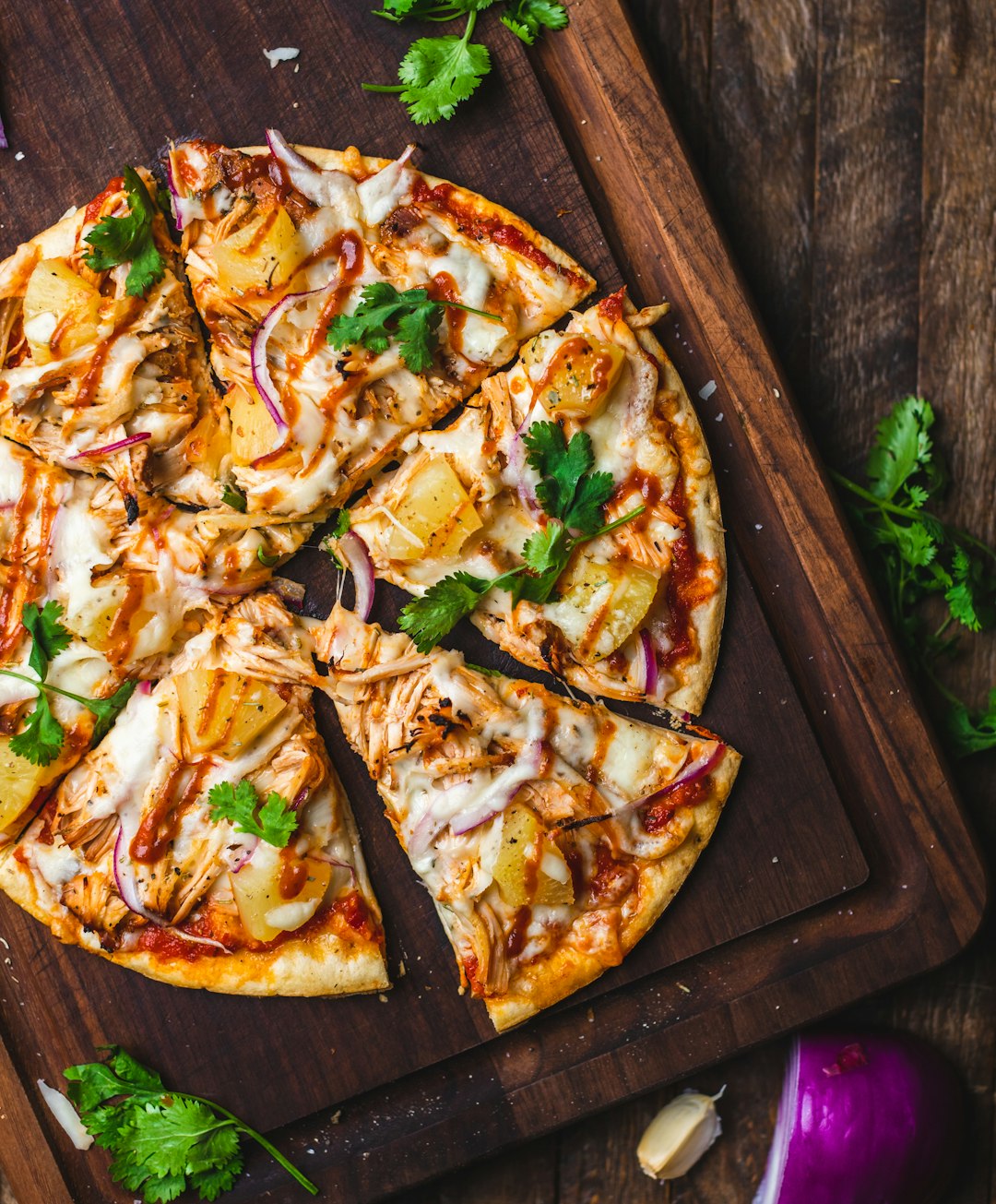
Creating the perfect pizza dough is both an art and a science. At Apache Pizza, our chefs have spent years perfecting their craft, and today we're sharing the professional techniques that make our pizzas exceptional. Whether you're a home cook looking to elevate your pizza game or simply curious about what makes great dough, this guide will transform your approach to pizza making.
Understanding Flour Selection
The foundation of any great pizza starts with flour selection. Not all flours are created equal, and choosing the right type dramatically impacts your final result. At Apache Pizza, we use a specific blend of high-protein flour that creates the ideal texture and flavor profile.
Look for flour with a protein content between 12-14%. This higher protein level develops more gluten, giving your dough the strength and elasticity needed for that perfect chewy texture. Italian "00" flour is popular among pizza enthusiasts, but high-quality bread flour works wonderfully too. The key is consistency in your choice once you find what works for you.
The Magic of Hydration
Hydration ratio refers to the amount of water relative to flour in your dough. This seemingly simple ratio makes an enormous difference in texture and workability. Professional pizzaiolos typically work with hydration levels between 60-70%.
For beginners, we recommend starting at 65% hydration. This means for every 1000g of flour, you'll use 650g of water. Higher hydration creates a lighter, airier crust with larger air bubbles, but it's also trickier to handle. As you gain confidence, experiment with increasing hydration gradually to find your perfect balance.
Temperature and Fermentation
This is where patience becomes your greatest ally. At Apache Pizza, we ferment our dough for a minimum of 24 hours in cold storage. This slow fermentation develops complex flavors and creates a more digestible final product.
Cold fermentation in your refrigerator allows enzymes to break down starches and proteins slowly, resulting in better flavor and texture. After mixing your dough, let it rest at room temperature for about two hours, then transfer it to the refrigerator for 24-72 hours. The longer fermentation period yields deeper, more nuanced flavors.
Kneading Techniques
Proper kneading develops gluten structure without overworking the dough. We recommend the stretch and fold method rather than aggressive kneading. This gentler approach preserves air bubbles while still building strength.
After initial mixing, let your dough rest for 30 minutes. Then perform a series of stretches and folds every 30 minutes for the first two hours. This technique develops gluten gradually and results in dough that's easier to shape with better texture.
Salt and Its Impact
Salt does more than add flavor. It strengthens gluten bonds, controls fermentation speed, and improves dough texture. Use approximately 2-3% salt by flour weight. Add it after initial mixing rather than with your yeast, as salt can inhibit yeast activity if added too early.
The Role of Quality Yeast
Fresh yeast or active dry yeast both work well for pizza dough. Use about 0.5-1% yeast by flour weight for cold fermentation. Less yeast means slower fermentation, which develops better flavor. If you're short on time, you can increase yeast quantity, but you'll sacrifice some flavor complexity.
Room Temperature Matters
Before shaping and baking, bring your cold-fermented dough to room temperature. Remove it from the refrigerator 2-3 hours before you plan to make pizza. This allows the dough to relax, making it much easier to stretch without springing back.
Shaping Without Destroying Structure
Never use a rolling pin on pizza dough. This destroys all those beautiful air bubbles you've worked so hard to develop. Instead, gently stretch from the center outward, allowing gravity to help. Rotate the dough as you stretch, maintaining even thickness throughout.
If your dough resists stretching and keeps shrinking back, let it rest for 10-15 minutes. This allows gluten strands to relax, making shaping much easier.
The Apache Pizza Formula
Here's our basic formula for home pizza makers:
- 1000g high-protein flour
- 650g cold water
- 25g fine sea salt
- 7g active dry yeast
- 20g olive oil (optional, for added flavor)
Mix flour and water first, rest 30 minutes, then add salt and yeast. Perform stretch and folds for two hours, then refrigerate for 24-72 hours. Bring to room temperature before shaping.
Common Mistakes to Avoid
The most common error is rushing fermentation. Great pizza dough cannot be rushed. Other mistakes include using old yeast, adding too much flour during shaping, and not preheating your oven hot enough. Your oven should be at maximum temperature, ideally 500°F or higher.
Also avoid overworking your dough during shaping. Handle it gently and respect the air bubbles. Those bubbles are what create the characteristic texture of great pizza crust.
Final Thoughts
Making perfect pizza dough at home is absolutely achievable with patience and practice. Start with these professional techniques, take detailed notes about what works for you, and don't be afraid to experiment. Every oven is different, every kitchen has its own ambient temperature, and even water quality varies by location.
At Apache Pizza, we've made this our life's work, and we're passionate about sharing these techniques with pizza lovers across Ireland. While nothing beats the convenience of having our expertly crafted pizzas delivered to your door, there's real satisfaction in creating your own perfect dough at home.
Remember, even professional chefs started as beginners. With each batch, you'll develop better instincts and produce increasingly impressive results. Happy pizza making!